Old Street flat rubbish removal access problems and solutions
Posted on 03/09/2026
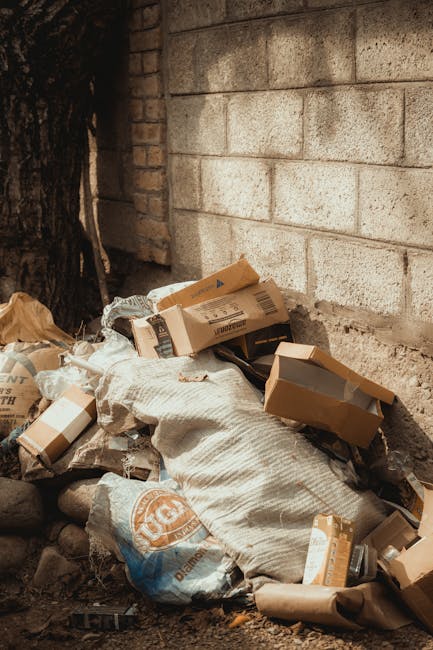
Old Street flats can be brilliant places to live, work, and invest in, but rubbish removal there is often a different story. Tight stairwells, busy roads, awkward loading bays, no lift, unclear parking, and shared entrances can turn a simple clearance into a bit of a puzzle. That is exactly why understanding Old Street flat rubbish removal access problems and solutions matters before the first bag gets lifted.
If you have ever stood in a fourth-floor flat with a sofa that will not turn the corner, or a stack of boxes that looks smaller until you try to move them, you will know the feeling. The good news? Most access issues can be solved with planning, the right team, and a realistic approach to the building. This guide walks you through the common problems, the practical fixes, and the details that save time, money, and stress.
Why Old Street flat rubbish removal access problems and solutions Matters
Old Street sits in a part of London where the buildings are varied, the streets are busy, and the practicalities of waste removal are rarely straightforward. Some flats are above shops. Some sit in converted warehouses. Others are modern apartments with concierge access, but narrow service routes. So while the headline job may be "remove rubbish", the real job is often "work out how to get the rubbish out without upsetting the building, neighbours, or the clock".
Access problems matter because they affect almost everything: how long the job takes, how many people are needed, whether parking is available, and what type of removal method makes sense. They also affect safety. A badly planned move down a staircase with a heavy fridge or broken wardrobe is not just inefficient; it can damage walls, lift rails, floors, and backs. Nobody wants that. Not on a Monday morning, not ever.
In practical terms, the main access issues in Old Street flats usually fall into a few familiar groups:
- no lift or a lift that is too small for bulky items
- tight staircases and awkward turns
- restricted roadside parking or limited loading time
- shared hallways, entry systems, and concierge rules
- distance between the flat and the vehicle
- time limits for noise, access, or building management
Once you understand the shape of the problem, the solution becomes much clearer. That is also where local knowledge helps. If you are also thinking about moving, selling, or investing in the area, the realities discussed in this Shoreditch local perspective on moving and property investment tips for Shoreditch give useful context for how buildings and access patterns can affect day-to-day living.
How Old Street flat rubbish removal access problems and solutions Works
The process usually starts with a simple question: how will the waste physically leave the property? That sounds obvious, but it is the key question. You do not plan rubbish removal around the pile alone; you plan it around the path from the flat to the vehicle.
For many Old Street flats, the answer depends on three things: the item size, the building layout, and whether the vehicle can stop close enough. A collection that might take ten minutes in a house can take much longer in a flat if the route includes stairs, coded doors, multiple fire doors, or a lift with weight limits. Sometimes the job is easy once the building is known. Sometimes it is, to be fair, a little faffy.
A well-run clearance normally follows this sequence:
- Assess access - identify stairs, lift size, entry codes, loading points, parking restrictions, and any concierge rules.
- Classify the waste - separate bulky furniture, mixed household rubbish, bags, recyclables, builders' waste, and anything fragile or hazardous.
- Choose the removal method - manual carry, partial dismantling, two-person lift, or a vehicle-based collection strategy.
- Protect the building - use corner guards, floor protection, and careful handling where needed.
- Load efficiently - stack safely, keep heavier items controlled, and avoid unnecessary trips.
- Sort for disposal and recycling - separate reusable and recyclable material where possible.
Good access planning is not about being dramatic; it is about not being surprised. A narrow stairwell on the day is never a nice surprise. It just isn't.
When the property is part of a wider clearance such as an office move or a full flat emptying, you may also want to look at the wider service overview and house clearance options to understand which kind of support fits the job best.
Key Benefits and Practical Advantages
Getting the access plan right has benefits beyond simply saving time. It reduces friction for everyone involved, and in a busy part of London that matters. You want the job done cleanly, quickly, and with as little disruption as possible.
- Less risk of damage to stairwells, flooring, walls, and door frames
- Faster completion because the crew is not improvising at the door
- Better cost control since the team can plan labour and vehicle use more accurately
- Lower stress for tenants, landlords, agents, and neighbours
- Safer handling of heavy or awkward items
- Cleaner recycling outcomes because waste can be sorted properly
There is also a quieter benefit: a smooth clearance tends to make the whole building feel better managed. If you are a landlord or agent, that matters. If you are a tenant trying to leave a flat in decent shape, it matters too. Everyone notices the difference between "we sorted it properly" and "well, that was messy".
For larger or mixed loads, it can be useful to compare service styles. For example, rubbish clearance in Shoreditch may suit one-off household waste, while furniture disposal services make more sense when the main issue is sofas, beds, wardrobes, or office chairs. If your clearance includes recyclable material, the team's approach to recycling and sustainability can also be a deciding factor.
Who This Is For and When It Makes Sense
This topic is relevant to more people than you might first think. Old Street flat access problems affect a mix of residents and property users, and the right solution depends on your situation.
- Tenants moving out who need to clear furniture and general rubbish without upsetting neighbours
- Landlords dealing with end-of-tenancy left-behinds
- Letting agents who need a reliable, low-drama turnaround between occupancies
- Homeowners clearing a flat after renovation, decluttering, or a small refurb
- Executors and family members arranging a respectful property clearance
- Property managers handling access rules, lift bookings, and building permissions
It makes sense any time the waste is too bulky for standard bin collection, too urgent to leave sitting around, or too awkward to move without help. It also makes sense when you simply do not want to guess. Guessing with access in a London flat is a habit that tends to punish people.
For people involved in buying or selling in the area, the logistics around access and clearance often sit alongside broader property decisions. The article on acquiring and selling properties in Shoreditch is a useful companion read if you are thinking about the bigger picture.
Step-by-Step Guidance
If you want a calm, efficient clearance, start with the route rather than the rubbish. That is the big trick. Here is a practical way to approach it.
- Measure the obvious pinch points
Check lift dimensions, stair width, turning spaces, and doorway clearances. Even a rough measurement helps. If a wardrobe cannot turn on the landing, it is better to know now than halfway down the stairs. - Check building rules early
Some blocks have strict time slots for moves or collections. Some require advance notice. A concierge might need ID, booking details, or vehicle registration. Small things, but they can slow the whole job if forgotten. - Separate items by type
Keep bulky furniture apart from loose bagged rubbish. Separate anything recyclable, and isolate anything that may need special handling. A mixed pile is slower to move and often messier to sort. - Decide what can be dismantled
Bed frames, shelving, tables, and some wardrobes are easier to remove in pieces. A five-minute dismantle can save a much longer carry. Sometimes the screwdriver is the real hero of the day. - Plan the vehicle position
Can a van stop nearby? Will there be loading restrictions on Old Street at the time you need? If not, the crew may need to carry items farther, which affects timing and labour. - Protect shared spaces
Floor runners, blankets, and careful handling reduce the chance of scuffs in hallways and lifts. A tidy exit matters, especially in well-kept blocks. - Set the booking around access, not just availability
Choose a time when the building is quieter and access is easier. Early morning or midweek often works better than peak commuting hours, though every block is different. - Confirm disposal expectations
Ask how items will be sorted, where recyclable waste goes, and whether there are any exclusions. If the clearance includes specialist waste or builders' debris, it helps to look at builders' waste clearance in Shoreditch as a reference point.
If you are unsure whether to book a full clearance or just a targeted collection, a discussion of rubbish collection in Shoreditch can help you decide which route is more efficient for the load you actually have.
Expert Tips for Better Results
In our experience, the best results come from planning the awkward bits before the team arrives. Simple, yes. Always easy? Not exactly.
Here are the little details that make a surprisingly big difference:
- Take one quick photo of the item and the exit route so the team can judge the job before arrival.
- Clear the hallway in advance so doors can open fully and people are not stepping around your bags.
- Keep pets and children away from the route on collection day. It sounds obvious, but busy flats get hectic fast.
- Label what stays and what goes if there are multiple rooms or flatmates involved.
- Ask about dismantling if you have a bed base, desk, or wardrobe that looks like trouble.
- Be realistic about the lift - a lift that exists is not always a lift that helps.
A small but useful habit is to work backwards from the vehicle. If the loading point is tricky, the route is probably tricky. If the route is tricky, the labour is usually trickier. That simple logic saves more headaches than people realise.
If you are comparing services, it is worth looking at junk removal in Shoreditch for mixed oddments, furniture disposal for bulky pieces, and loft clearance when access issues involve stairs plus awkward storage space.
And a tiny practical note: if access is especially tight, let the team know before the day, not during the day. Nobody likes a last-minute "oh, by the way, there are three flights and the lift is out".

Common Mistakes to Avoid
Most access headaches come from assumptions. That is the truth of it. Here are the ones people trip over most often.
- Assuming a lift means easy access - many lifts are too small, slow, or unavailable at the worst time.
- Ignoring parking and loading restrictions - a flat may be near a road, but that does not mean the vehicle can stop right there.
- Leaving everything in one pile - mixed waste slows sorting and can complicate recycling.
- Booking too late in the day - building access, traffic, and tiredness all work against you later on.
- Forgetting to tell the building manager - in some blocks, this can cause avoidable delays.
- Trying to move oversized items without checking the route - and then everyone stands there staring at a sofa that will not pivot. A classic, really.
Another mistake is not matching the service to the job. For example, if you need a full flat emptied after a tenancy, a broader house clearance approach may be more sensible than a simple one-off lift of bags. If the issue is mainly a single broken appliance or a couple of pieces of old furniture, a smaller collection may be enough.
Tools, Resources and Recommendations
You do not need a van full of gadgets to manage a flat clearance well, but a few practical tools help more than most people expect.
- Measuring tape for doorways, stair gaps, lift openings, and furniture dimensions
- Marker pens and labels to split keep, donate, recycle, and remove items
- Heavy-duty bags and boxes for loose rubbish, books, and smaller mixed waste
- Furniture blankets or protective wraps if items need to move through shared areas
- Basic screwdriver or hex key set for quick dismantling
- Phone photos to document access points and awkward items before collection
In terms of planning, a helpful sequence is: measure first, sort second, book third. That order keeps things sensible. If you want to compare the type of support available, start with services overview, then look at the page for waste removal in Shoreditch and rubbish clearance for a clearer sense of scope.
For customers who care about recycling and reduced waste, the page on recycling and sustainability is worth a look before booking. Not every job will be the same, but the mindset matters.
Law, Compliance, Standards, or Best Practice
Rubbish removal in a flat is not just about convenience. It also needs to be handled responsibly. In the UK, waste must be managed by someone who is properly authorised to carry and dispose of it, and households still have a duty to take care that rubbish is passed to the right people. That is the simple version, and it is the one most readers need.
For Old Street buildings, best practice usually includes:
- keeping communal areas clear and safe
- avoiding obstruction of exits, lifts, and shared corridors
- following building rules on collections and loading
- separating recyclable material where practical
- checking that any removals are insured and handled safely
You do not need to become a compliance expert to get this right. But you should expect a professional approach to safety, transport, and waste handling. If you are unsure how insurance and safety are handled, a useful reference point is the insurance and safety information. For payment and booking confidence, payment and security and terms and conditions are sensible pages to review too.
One more thing: if a block has its own access rules, follow them. They might feel fussy, but they exist for a reason. Shared buildings need coordination. That's just life in London flats, really.
Options, Methods, or Comparison Table
Different access problems call for different solutions. The best method is usually the one that fits the building, the item type, and the time available.
| Method | Best for | Pros | Limitations |
|---|---|---|---|
| Manual carry-down | Bagged rubbish, small furniture, mixed household waste | Flexible, works in tight buildings, no special access equipment needed | Slower on upper floors, more labour intensive |
| Item dismantling first | Wardrobes, bed frames, desks, shelving | Easier route through stairs and doorways, often safer | Takes extra preparation and tools |
| Lift-assisted removal | Buildings with suitable lifts and item dimensions that fit | Can reduce carrying effort and speed up the job | Not every lift is large enough or available |
| Vehicle-side sorting and loading | Mixed loads, multiple item types | Efficient when access to the vehicle is close | Less useful if parking is difficult or distant |
| Phased collection | Large clearances, tenancy turnovers, staged refurb jobs | Reduces disruption and helps manage awkward access | Needs more coordination and maybe more than one visit |
If the problem is mainly speed, a focused same-day solution may help. The article on same-day rubbish removal tips for Shoreditch High Street is helpful where access, timing, and local traffic all need to line up quickly.
Case Study or Real-World Example
Picture a third-floor flat near Old Street with no lift, a narrow staircase, and a couple of bulky pieces: a mattress, a bed base, two office chairs, and several black bags. On paper, it sounds ordinary. In reality, the stair turns are tight, the hallway is shared, and the street outside has limited stopping room.
The successful approach is rarely heroic. It is usually methodical. First, the bed base gets dismantled. Next, the bags are grouped by room. The mattress is moved upright to reduce contact with the walls. The team checks the route before anything is carried. One person manages doors, another handles the heavier loads, and the vehicle is positioned so loading is as short as possible.
What changed the job was not strength. It was sequencing.
The result is a calmer removal, less risk of scuff marks, and less time spent on each trip. If the same flat had a concierge or managed entry system, the team would also need to build in extra time for access permissions. Simple stuff, but it matters. There is nothing glamorous about it, yet it makes all the difference.
That same mindset applies whether you are clearing a single flat, an inherited property, or a rental turnover. When access is the challenge, good planning is half the job.
Practical Checklist
Use this checklist before booking or on the day. It keeps things tidy and saves a surprising amount of bother.
- Measure stair widths, doorways, and lift size
- Check whether the lift works and whether it is large enough
- Confirm building access rules, codes, and time slots
- Find out where the vehicle can park or load safely
- Separate furniture, bags, recycling, and specialist waste
- Dismantle anything oversized if possible
- Protect shared hallways and lift interiors
- Tell neighbours or building management if needed
- Keep the route clear for moving items out
- Make sure the chosen service matches the waste type
Key takeaway: the more you understand the route out of the building, the smoother the clearance will be. Access is not a side issue. It is the job.
Get a free quote today and see how much you can save.
Conclusion
Old Street flat rubbish removal access problems and solutions are really about one thing: turning a difficult building into a manageable plan. Once you look at stairs, lifts, parking, and building rules as part of the job rather than obstacles after the fact, everything gets easier. Less guesswork. Less stress. Better results.
Whether you are clearing a one-bedroom flat, arranging a move-out, or dealing with a mixed load after renovation, the best outcome usually comes from a simple mix of measurement, communication, and the right removal method. The nice part is that it does not need to be complicated. Just careful.
If you take one thing from this guide, let it be this: plan the access first, and the rubbish removal follows far more smoothly. That small bit of forethought can spare you a very long afternoon.



 Tipper Van - Rubbish Removal and Rubbish Clearance Prices in Shoreditch, N1
 Luton Van - Rubbish Removal and Rubbish Clearance Prices in Shoreditch, N1